
New York-style pizza dough looks deceptively simple. Flour, water, yeast, and salt. But the process behind it is what separates a slice worth folding from one that falls apart in your hand. Understanding how New York-style pizza dough is made makes it easier to recognize the real thing and appreciate what goes into every slice.
This blog covers the core ingredients, fermentation process, stretching technique, and baking methods that give New York-style pizza its signature texture and flavor.
The Ingredients Behind the Dough
The ingredient list for authentic New York-style pizza dough is relatively short: high-gluten flour, water, yeast, and salt. Each ingredient plays a specific role in building the final crust.
High-gluten bread flour gives the dough its signature chew and enough structure to support large, foldable slices. Without that elasticity, the classic New York fold simply doesn’t work.
Water quality is a smaller variable, but serious pizza makers notice it. Mineral content affects gluten development and fermentation, which influences the dough’s texture and consistency over time.
Even simple pizza dough ingredients make a noticeable difference when combined the right way.
How the Dough Actually Comes Together
Mixing order matters more than most people expect. Our dry ingredients are combined first, and then we slowly mix in the water. The dough is then kneaded until smooth, elastic, and springy (about 10 minutes).
The biggest difference-maker is cold fermentation. Instead of baking the dough immediately, it rests in the refrigerator for 48 to 72 hours. That slow fermentation process develops deeper flavor, a slightly tangy finish, and a more balanced texture.
Skipping cold fermentation is one of the most common shortcuts in pizza-making, and it usually shows in the final slice.
That extra time is what helps authentic New York-style pizza dough develop its signature flavor and structure.
The Art of Stretching New York Pizza Dough
Cold dough resists shaping, so it needs time to relax at room temperature first. Once softened, the dough is hand-stretched rather than rolled out.
Hand-stretching preserves the air pockets created during fermentation, while rolling pins flatten that out completely. That’s why most serious New York-style pizzerias avoid using rolling pins altogether.
The goal is a thin center with a slightly raised outer crust. That rim crisps in the oven and helps the slice stay foldable without becoming too stiff.
Stretching pizza dough properly takes experience, patience, and consistency more than force.
What Makes a New York Slice Look and Feel Right
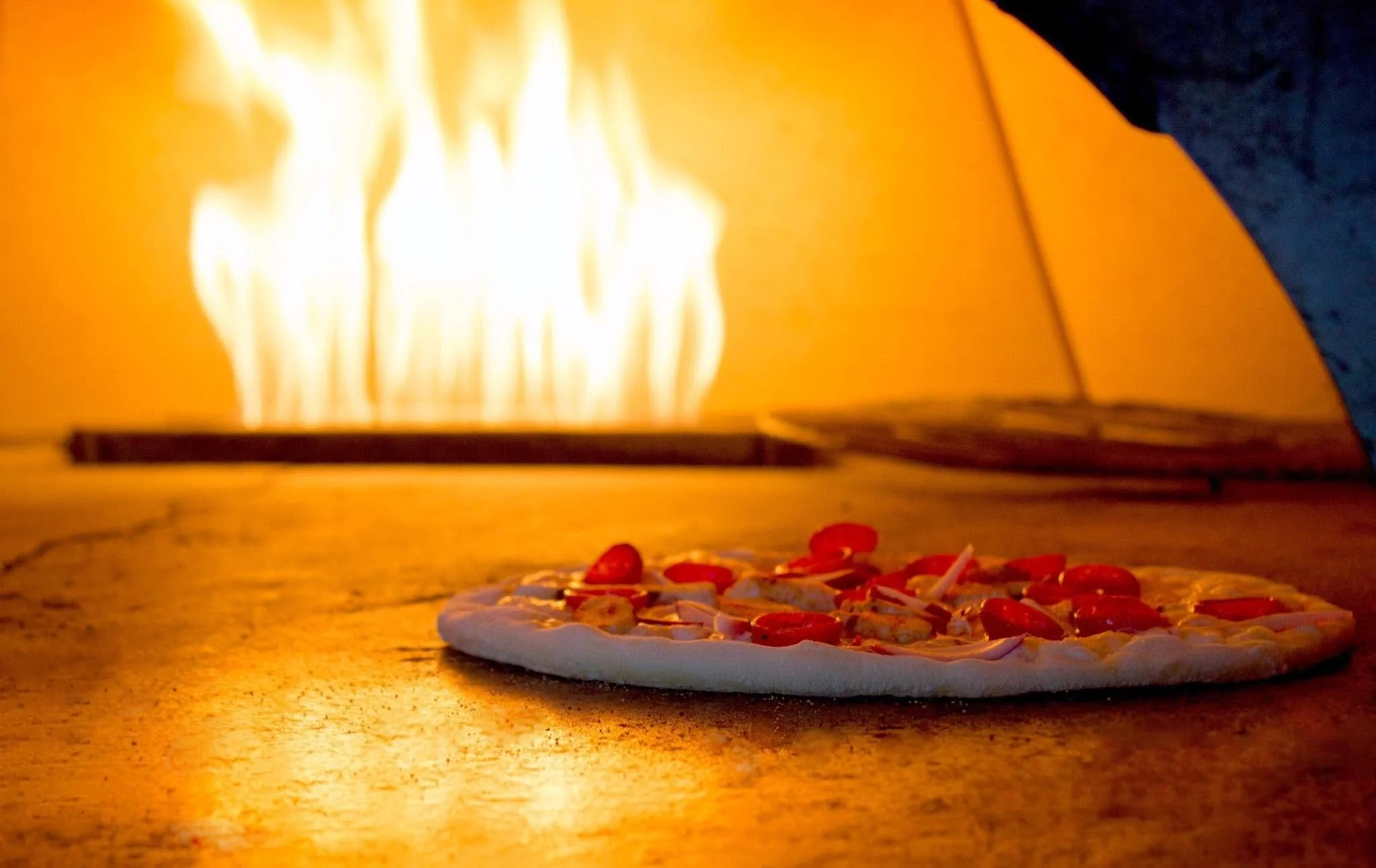
A proper New York-style pizza crust should feel crisp underneath while staying chewy through the center. High-temperature ovens, often set above 500°F, help create a balance among char, crunch, and flexibility.
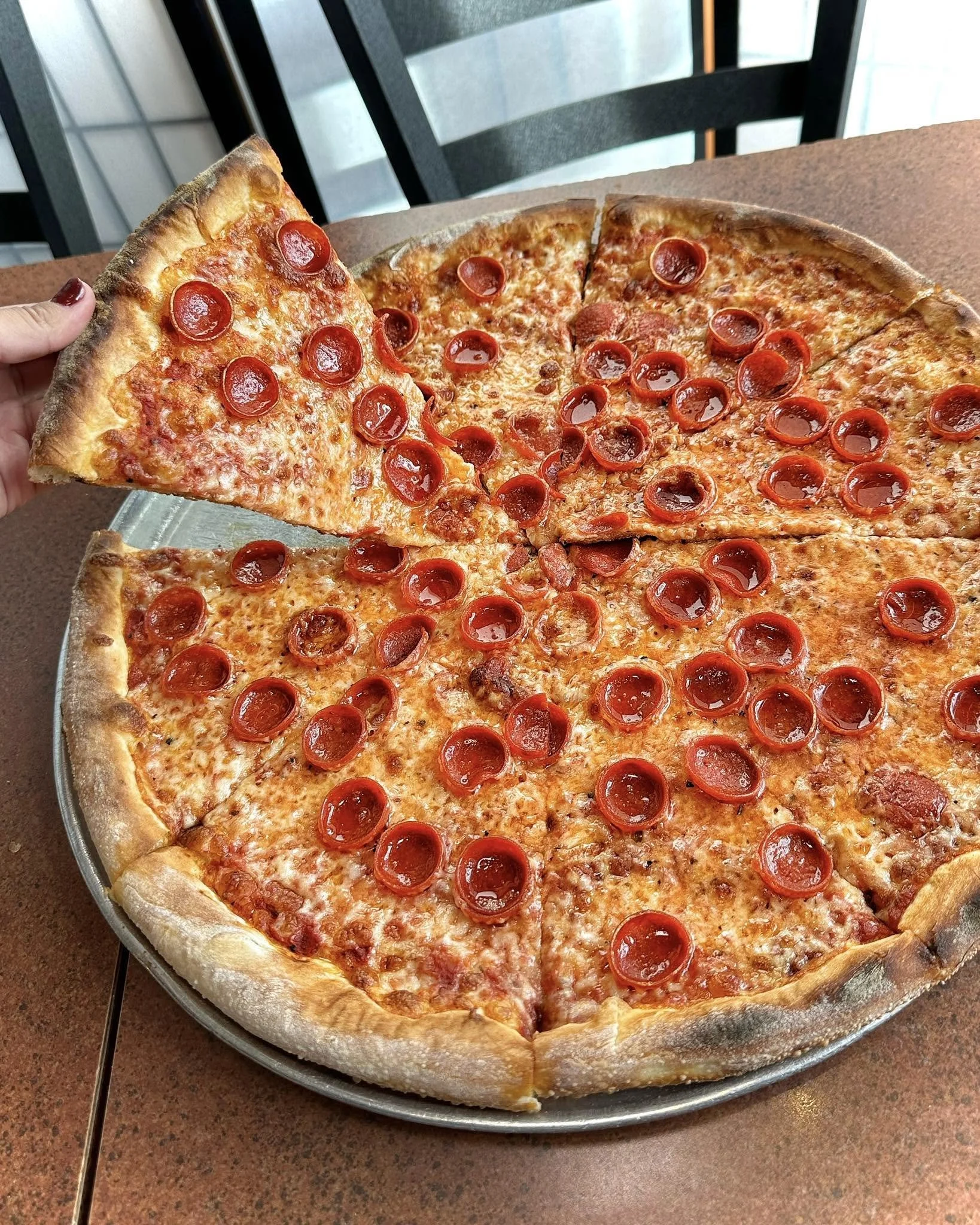
The slices are intentionally wide and large enough to fold lengthwise without toppings sliding off. That fold isn’t just tradition; it’s a direct result of proper gluten development and dough structure.
When the dough is made correctly, the pizza holds together naturally while still feeling light enough to eat comfortably.
On Amici’s menu, classic New York-style options like Margherita, Pepperoni, and Manhattan Red Clam highlight exactly how this thin, foldable crust is meant to work.
How Amici's Brings It to the Bay Area
Amici's East Coast Pizzeria was built on authentic East Coast pizza traditions, and that same approach shapes every New York-style pizza dough made across the Bay Area. From the cold fermentation process to the hand-stretched crust, the focus stays on texture, structure, and flavor.
Whether you're visiting the Vacaville or Redwood Shores location, the goal stays the same: delivering a classic New York-style slice with the right chew, fold, and crisp crust every time.
That consistency is what makes great pizza dough stand out long before the toppings even go on.
FAQs
What flour is used in New York-style pizza dough?
High-gluten 00 flour is standard. It gives the dough the elasticity and chew that define the style.
How long does New York pizza dough need to ferment?
Cold fermentation typically runs 24 to 72 hours. The longer the rest, the more flavor it builds and the better the final texture.
Why is New York pizza dough so thin and foldable?
High-gluten flour, proper hydration, and hand-stretching produce a thin, pliable center that holds up when folded without cracking.
Does Amici's offer New York-style pizza for delivery in the Bay Area?
Yes. Amici's serves New York-style pizza for delivery and takeout across multiple Bay Area locations.
The Dough Makes the Difference in Pizza
New York-style dough comes down to a specific process: the right flour, a slow ferment, and a hand-stretch that shortcuts cannot replace. Every step feeds directly into the finished slice. When the dough is made correctly, it holds together, folds clean, and tastes exactly as it should.
Visit your nearest Amici’s to experience authentic New York-style pizza made with traditional dough techniques and East Coast flavor.