
Pizza may be a universal love language, but the way it's enjoyed varies widely by region. Some styles are soft and best eaten immediately; others are for fold-and-go; and then there are thick, pan-baked styles that feel closer to bread than to a slice.
When it comes to balancing crispness, chew, and structure, New York-style pizza consistently delivers. New York stays crisp slice-to-slice. Neapolitan softens fast. Sicilian relies on thickness.
This guide breaks down New York, Neapolitan, and Sicilian pizza styles, highlighting what makes each unique and why New York-style stands out for its balance of flavor and performance.
New York-Style Pizza and the Big Slice Energy
New York-style pizza, also known for its classic East Coast roots, is built for speed, attitude, and appetite. The slices are thin, large, crispy, and foldable, designed for on-the-go eating without sacrificing texture or flavor.
What Gives New York Pizza Its Signature Texture
The crust is thin yet sturdy, made to support tomato sauce and mozzarella without collapsing. A slight chew in the center and crisp edges create a balance that holds up well, even after cooling. Toppings stay classic with pepperoni, mushrooms, and sausage, though adventurous versions exist.
What truly sets it apart is consistency. Whether eaten fresh or as leftovers, the slice performs the same way, which is why it remains one of the most reliable pizza styles.
Craving the East Coast flavor in California? Amici's brings New York-style pizza west, serving crisp, foldable slices inspired by American Northeast traditions.
Neapolitan Pizza: Italy’s Original Classic
Neapolitan pizza traces its roots to Naples, where it began as a simple street food. This style is known for its soft, airy crust and high-heat baking in wood-fired ovens.
The dough is hand-stretched and cooked quickly, producing charred edges and a tender center. Toppings are minimal and intentional, often featuring San Marzano tomatoes, fresh mozzarella, basil, and olive oil.
Neapolitan pizza is meant to be eaten immediately. While elegant and flavorful, its soft center can lose structure quickly once topped, making it less ideal for longer meals or takeout.
Sicilian Pizza: Thick, Square, and Hearty
Originating on the island of Sicily, Sicilian pizza has evolved into something that feels halfway between focaccia and traditional pizza.
Sicilian pizza is bold and filling, with thick, airy dough baked in rectangular pans. The generous use of olive oil creates a crisp bottom while keeping the interior soft.
Cheese is often layered beneath the sauce to prevent sogginess, and toppings are usually hearty, such as pepperoni, olives, or anchovies. Sicilian pizza is satisfying and substantial, but its thickness can overpower toppings and lacks the balance found in thinner styles. While comforting and filling, Sicilian pizza prioritizes dough over crisp structure.
How These Pizza Styles Really Compare
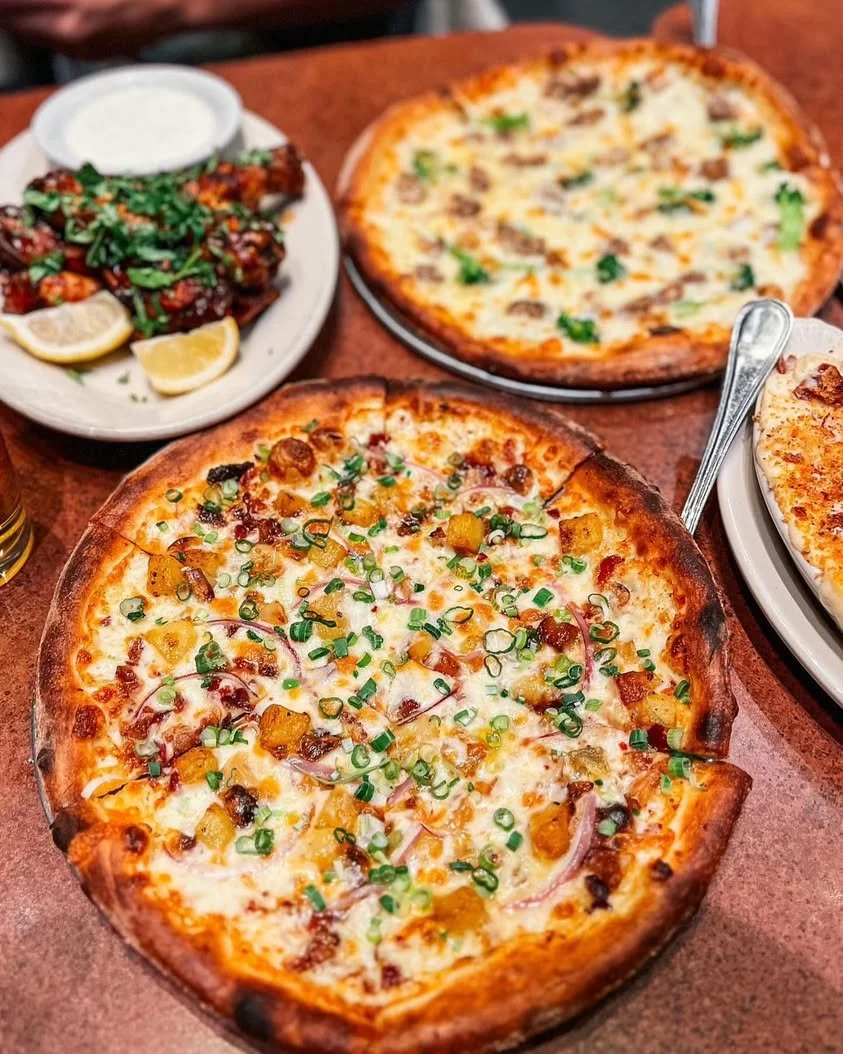
So, which pizza reigns supreme? It depends on texture, your eating experience, and your crust loyalty. Here’s a quick breakdown to help you choose:
Crust Texture
New York: Thin, foldable, crisp crust made with signature East Coast dough
Neapolitan: Soft, chewy, lightly charred
Sicilian: Thick, airy, and crispy on the bottom
Topping Philosophy
New York: Balanced, traditional toppings
Neapolitan: Minimalist, fresh ingredients
Sicilian: Bold and layered
Overall Vibe
New York: Everyday eating, takeout, delivery
Neapolitan: Immediate, sit-down dining
Sicilian: Hearty, filling meals
New York-style excels at structure. Neapolitan shines fresh. Sicilian satisfies heartily.
NY delivers the perfect trifecta: flavor, texture, and functionality. You can eat it anywhere; it stays crisp, and it never disappoints.
And if you’re craving Bay Area East Coast flavor, Amici’s in Menlo Park, Mountain View, and other Bay Area locations have mastered it, from our classic New York slices to crave-worthy Detroit-style squares.
Why New York-Style Stays Crisp and Where to Taste It
The durability of New York-style pizza comes down to a few key factors. High-gluten flour creates a stronger dough structure, allowing the crust to stay chewy inside while crispy on the outside. Baking at high temperatures around 500-700°F helps moisture evaporate quickly, preventing sogginess.
The thin dough profile also plays a role. Thicker styles trap steam, while New York-style crust crisps evenly without becoming brittle. Add in the classic fold, which reinforces the slice, and you get a pizza designed to hold up.
Amici's menu features large, thin, foldable slices made in the classic New York style, offering that balance of crispness and chew without the need to travel cross-country.
FAQs About Different Pizza Styles
Why does New York-style pizza stay crisp longer than other styles?
High-gluten dough, thinner crust, and high-temperature baking help it resist moisture while staying chewy.
Is Neapolitan pizza supposed to be soft?
Yes. Neapolitan pizza is designed to be tender and eaten immediately after baking.
Is Sicilian pizza crisp or soft?
Sicilian pizza has a crisp bottom from pan-baking, but remains soft and airy inside.
What pizza style is best for takeout or delivery?
New York-style pizza holds up best for takeout and delivery because its structure stays crisp longer than softer styles.
Does Amici’s serve multiple pizza styles?
Yes. Amici’s serves New York-style along with Detroit-style pies.
Final Thoughts: Follow Your Crust
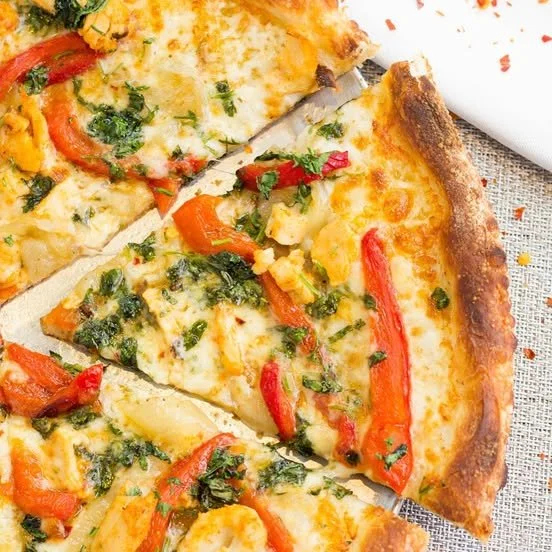
Every pizza style has its place, but when it comes to everyday reliability, New York-style pizza consistently delivers. It’s crisp, foldable, and satisfying whether you’re grabbing a quick bite or ordering for a group.
Neapolitan pizza excels fresh from the oven, and Sicilian offers hearty comfort, but neither matches the balance of structure and flavor found in a well-made New York slice.
Craving that classic NY experience? Order New York-style pizza from Amici’s and enjoy crisp, foldable slices inspired by East Coast tradition.