
There's a very specific disappointment that comes with opening a pizza box and finding soggy crust, sliding toppings, and barely warm slices. It’s not just bad luck; it’s bad delivery execution. Pizza delivery exposes flaws in dough, baking, and packaging that you'd never notice when eating straight from the oven. The difference between soggy pizza and crisp, satisfying delivery comes down to how the pizza is built, baked, and handled at every step.
At Amici's, we've been delivering pizza across the Bay Area for years. Here’s what it takes to get pizza from our kitchen to your couch without compromising flavor or texture. Learn how pizza delivery stays crisp when it’s done right.
It Starts With the Crust Before the Pizza Ever Leaves the Oven
Not all crusts are built for delivery. Thin, structured crusts, when done right, perform better than dough-heavy bases during delivery. Dough strength, moisture control, and bake time all affect whether your pizza arrives crisp or limp, especially after time in a closed box.
Some of the best pizzas for dine-in taste great fresh, but weren’t designed to survive a closed box and a short drive. New York-style pizza was designed for portability and real-life eating, which is why it holds up better than styles that prioritize appearance over structure.
Baking for Delivery Is Different Than Baking for the Table
Pizza baked for delivery needs slightly more structure than pizza meant to be eaten immediately. Excess moisture in sauces or toppings creates steam, which softens the crust once the box is closed. Overloading pizzas may look appealing, but it weighs down the dough and traps heat where you don’t want it. Baking with delivery in mind means thinking beyond the oven: how the pizza will hold up 15-30 minutes later, not just how it looks when it comes out.
You can also order our half-baked pizzas and finish them in your own oven to ensure that delicious, crunchy, gooey, cheesy, piping-hot kind of pie that tastes fresh out of the oven, from the comfort of your home.
Packaging Matters More Than People Think
Excess steam is the biggest obstacle to achieving a perfectly crisp pizza crust. The right packaging balances airflow with heat retention, keeping the pizza warm without steaming it into mush. Timing matters too. If pizza sits too long between the oven and the box, and then the driver, condensation builds quickly. Many pizza delivery places focus on speed alone, but ignoring what happens to the pizza during transit is where quality breaks down.
Why Some Pizza Styles Travel Better Than Others
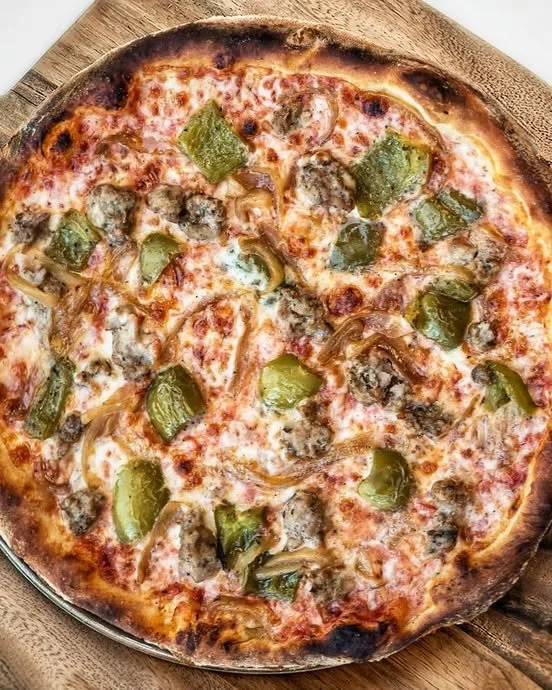
Pizza styles behave differently once they’re boxed. Baking methods, crust thickness, and topping balance all affect how well pizza holds texture over time. Thin-crust, New York-style pizza stays crisp and travels especially well because it cools evenly and resists sogginess. Dough-heavy, moisture-heavy styles tend to trap steam and lose structure faster. That’s why choosing the right style matters when ordering pizza delivery, especially for groups or longer distances.
How Amici's Approaches Pizza Delivery (On Purpose)
Pizza delivery isn’t an afterthought. It’s part of the design. At Amici’s, every step is built around consistency, whether you're ordering for delivery, takeout, or eating in. From our New York-style pizzas to our Detroit-style options, the balance of dough, bake, and toppings is intentional. Customers ordering from Amici’s San Francisco, Oakland, or other best pizza spots in Northern California receive pizza that tastes the same way every time: structured, hot, and satisfying.
Ordering Smart Equals Better Pizza at Home
A few simple choices can improve your pizza delivery experience. Ordering earlier rather than during the peak rush helps with accuracy and timing. Using online ordering reduces errors and speeds up prep. Choosing pizzas that hold heat and texture longer makes a noticeable difference, and adding pasta or salads can round out your Italian food delivery without overcomplicating the order, especially for group meals or longer evenings at home.
FAQs About Pizza Delivery
Why does pizza get soggy in the box?
Steam from hot pizza condenses inside the box, softening the crust. Proper baking, balanced toppings, and good packaging reduce this.
Does pizza reheat well after delivery?
Thin crust reheats well in the oven. Moisture-heavy pizzas tend to lose texture when reheated.
What should I look for in the best pizza delivery?
Consistency, proper baking, balanced toppings, and experience delivering pizza that actually arrives the way it should.
Delivery Pizza Should Taste Like Pizza
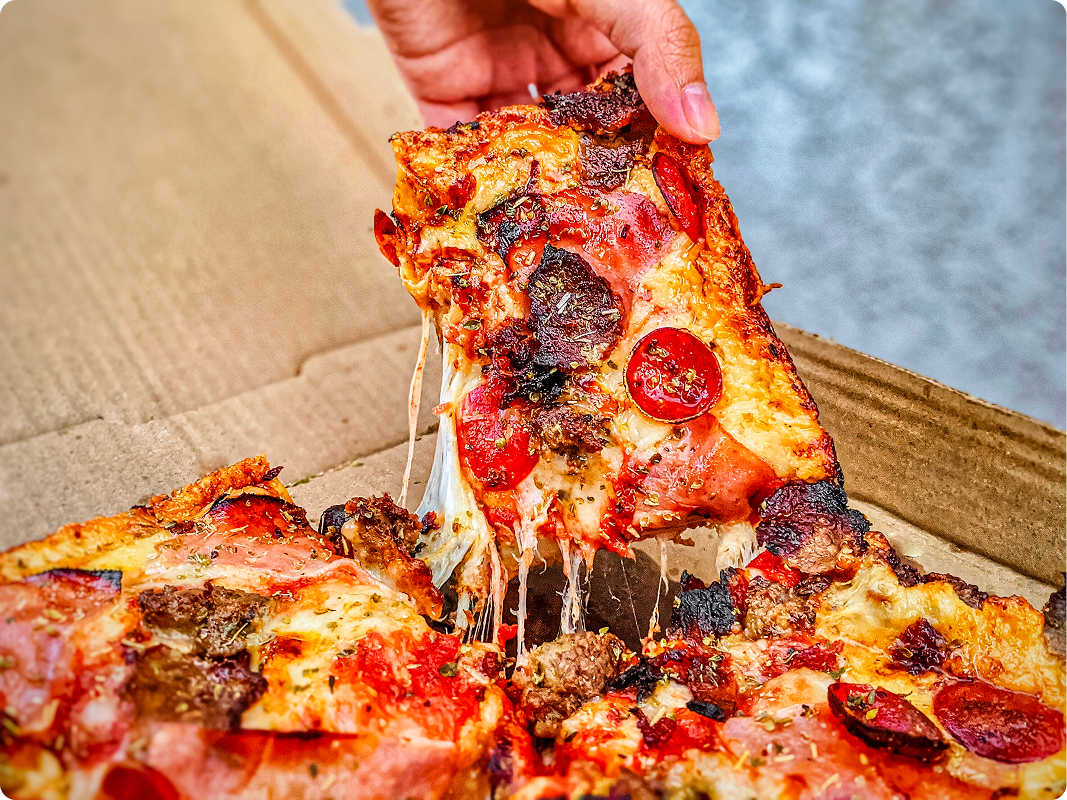
Crisp pizza delivery isn't accidental. Structure, baking, and execution matter. Good delivery pizza shouldn’t feel like a compromise; it should taste the way it was intended to. At Amici's, we've built our process around making sure delivery works as well as eating in.
Looking for pizza delivery that actually shows up crisp and satisfying? Order from Amici's and enjoy New York-style and Detroit-style pizza built to travel.